London County Council Architects / Norman Engleback / John Attenborough / Warren Chalk / Ron Herron / Dennis Crompton / J W Szymaniak: Hayward Gallery, 1961D–1968
- London, Great Britain, Show on map
- #CUL #Public #ConcreteMonster #FeaturedPhotographer #Thomas Spier #Western Europe
-
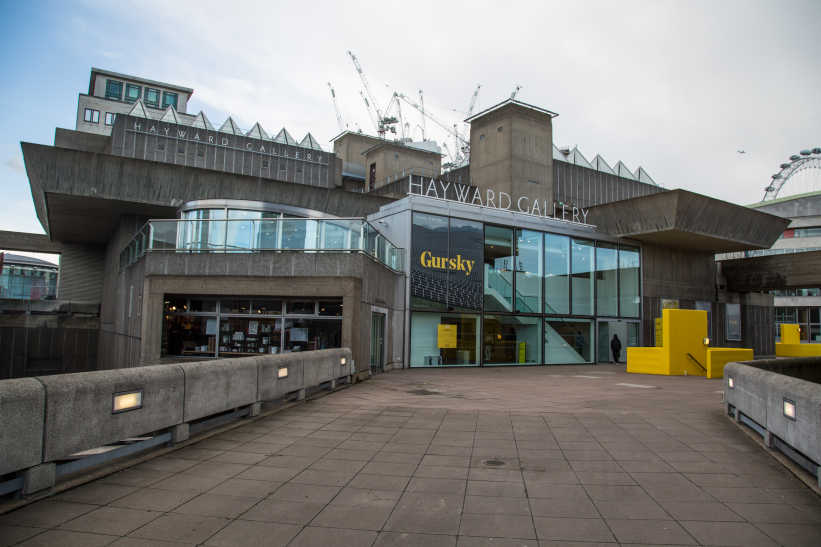
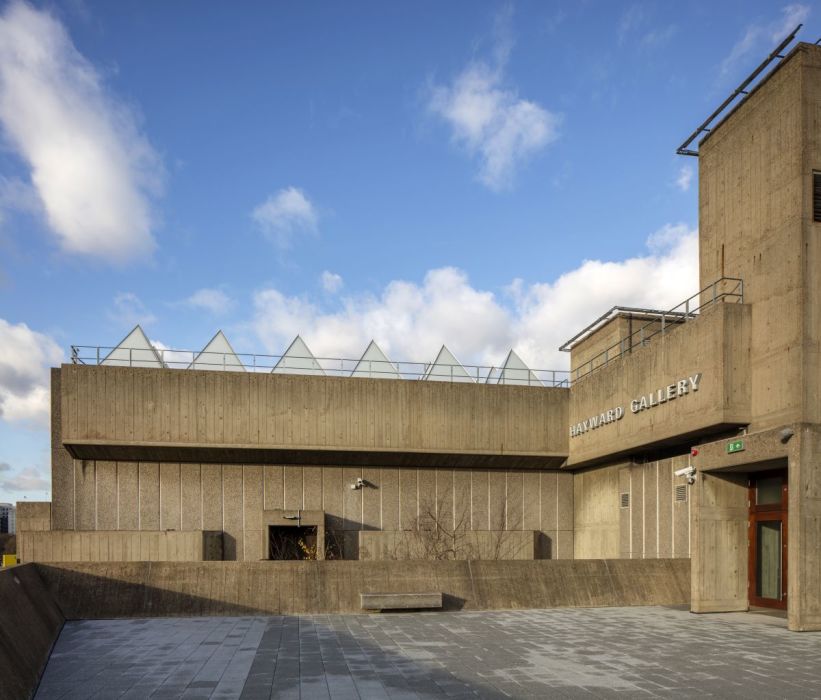
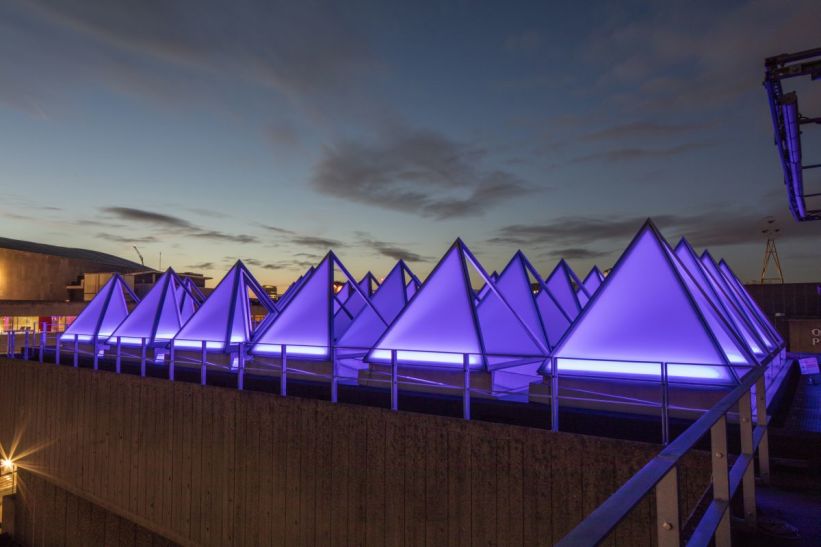
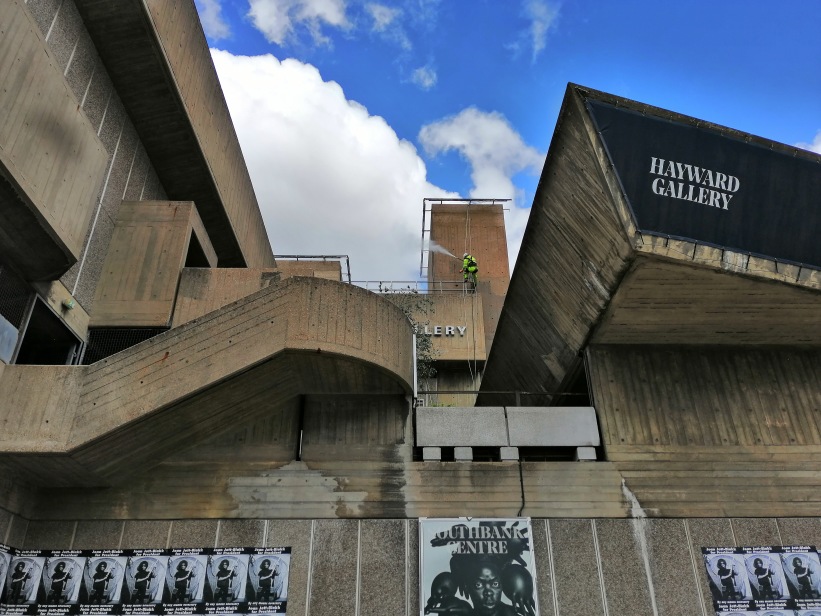
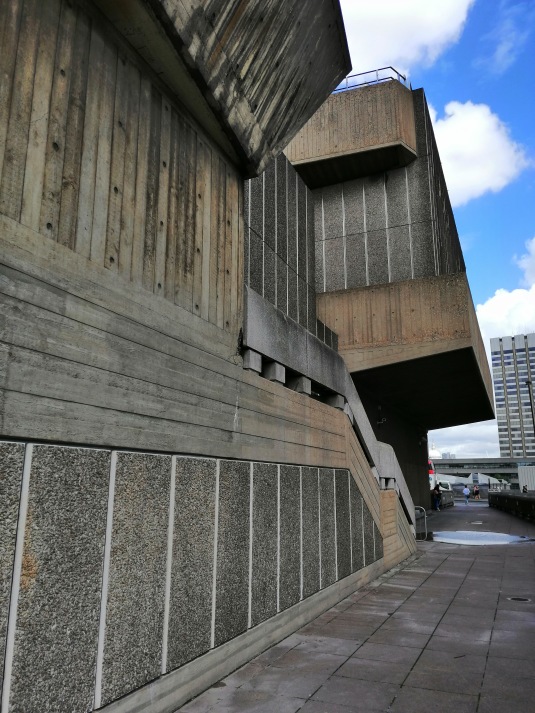
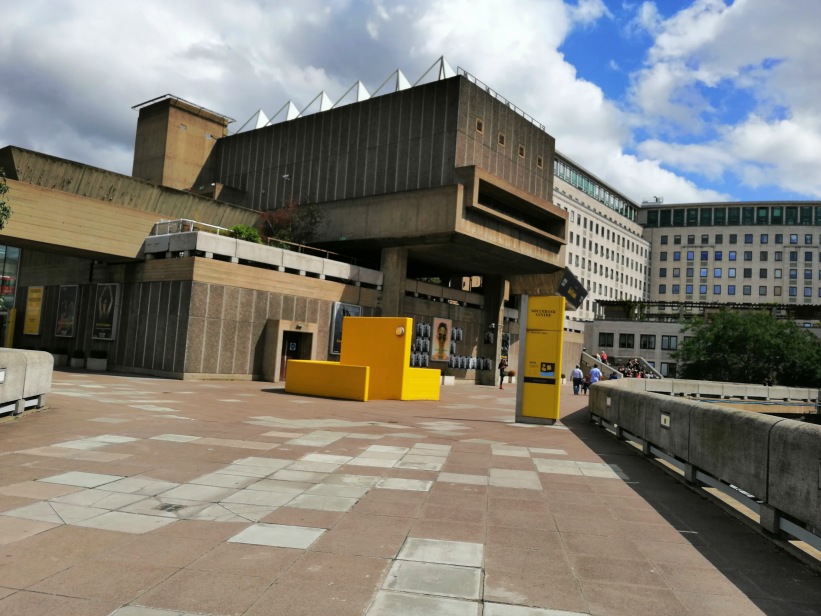
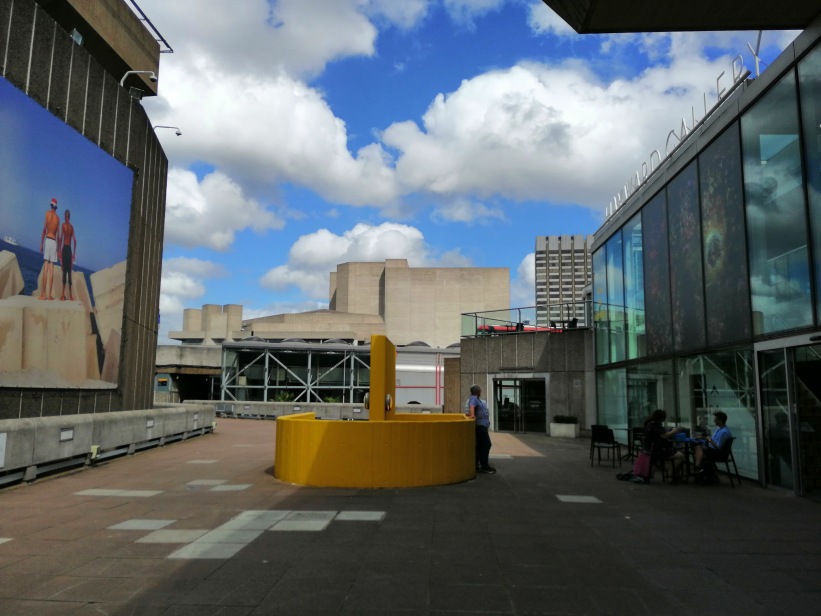
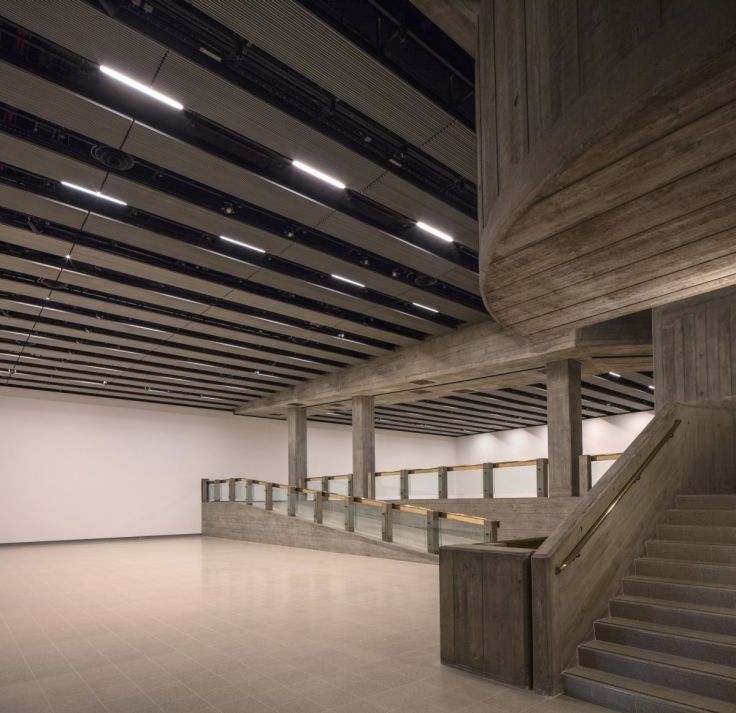
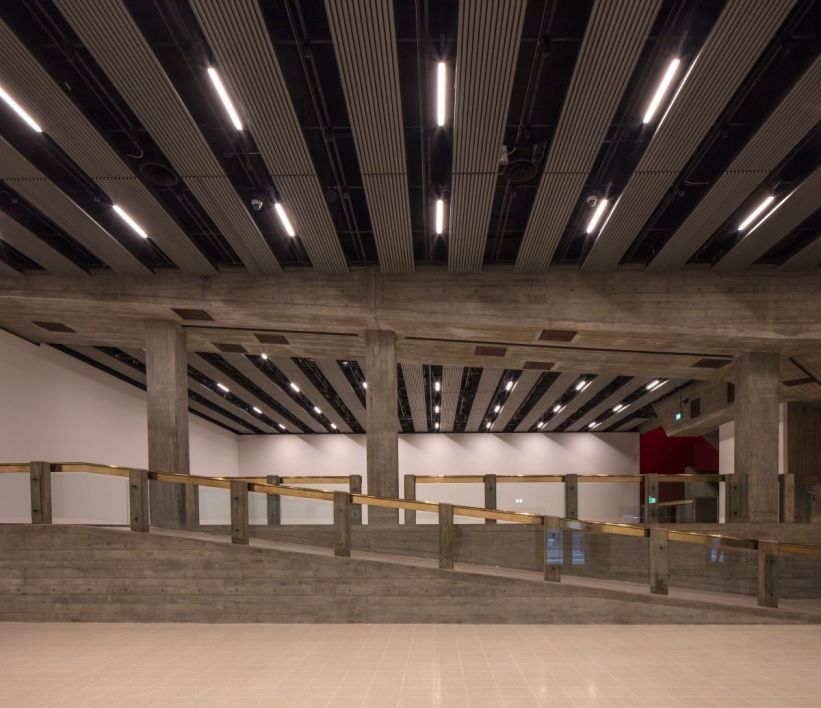
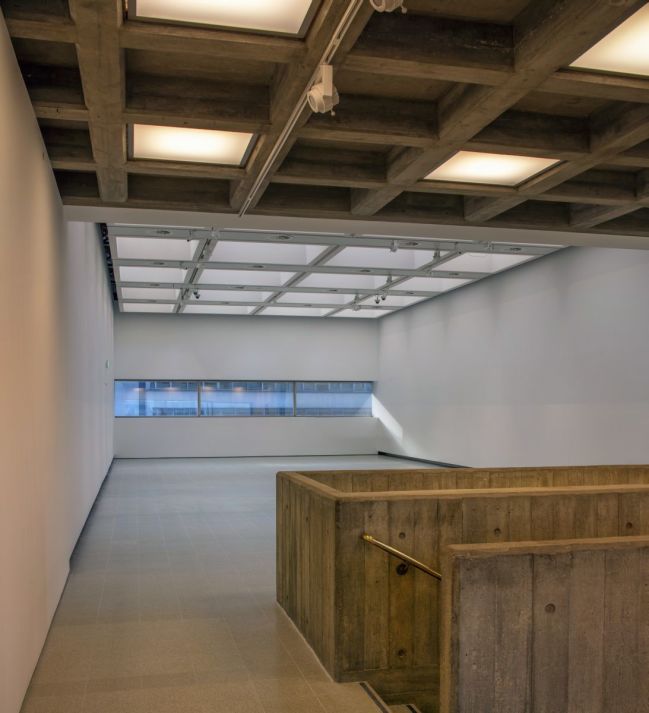
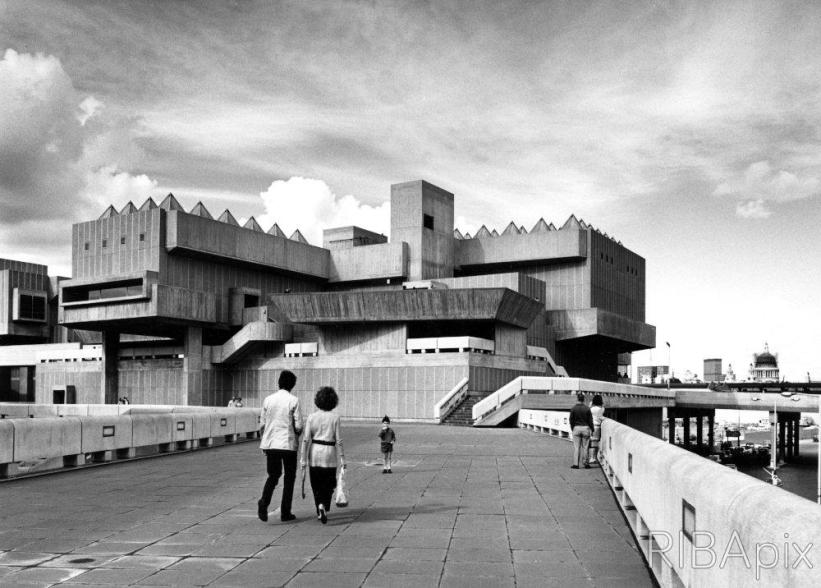
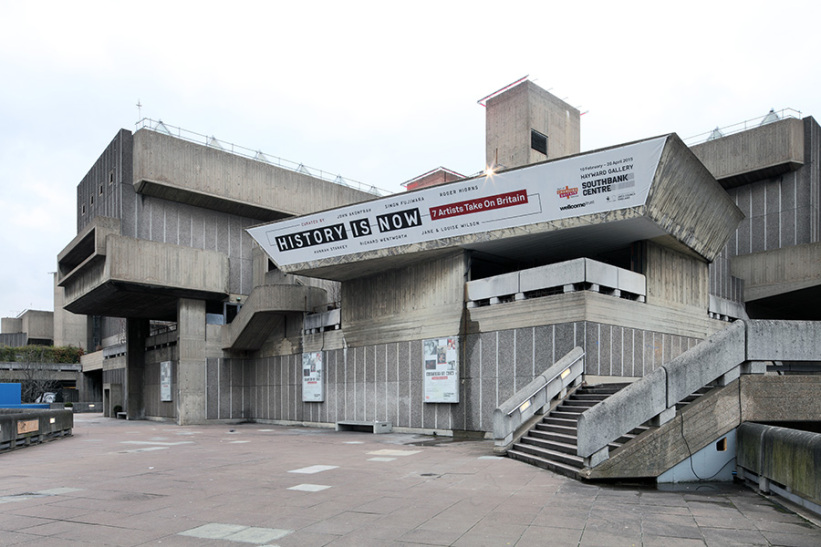
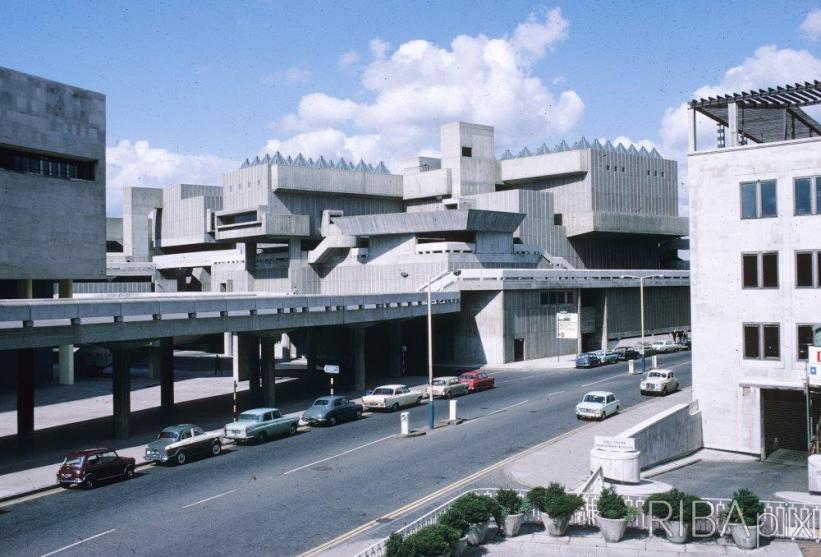
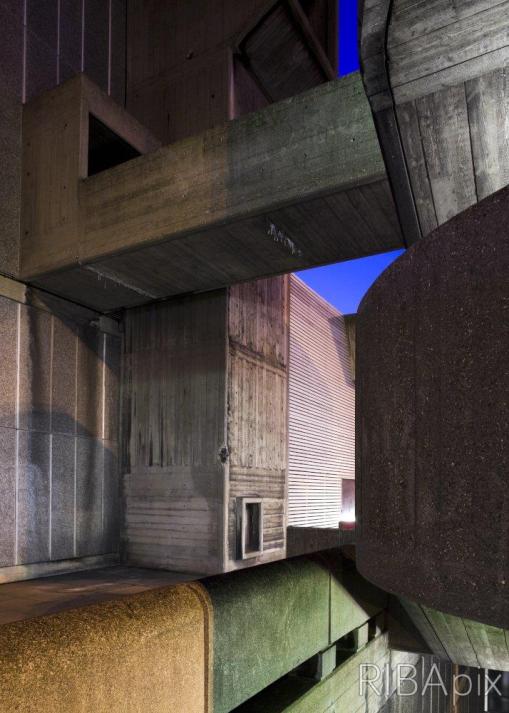
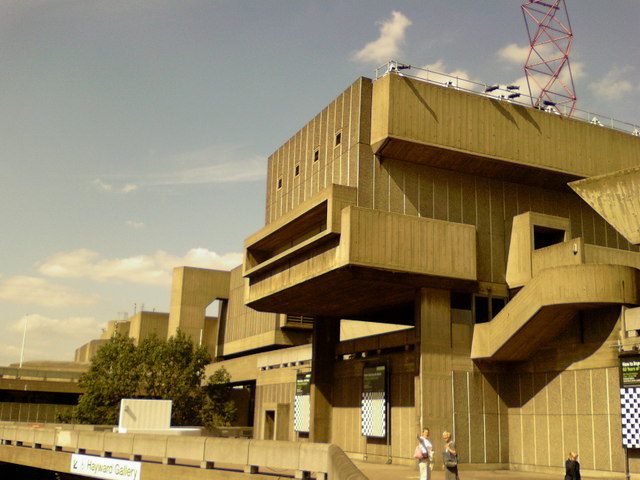
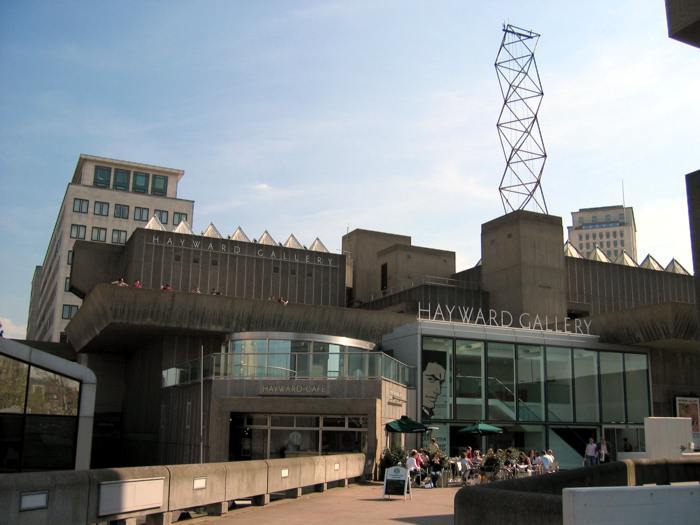
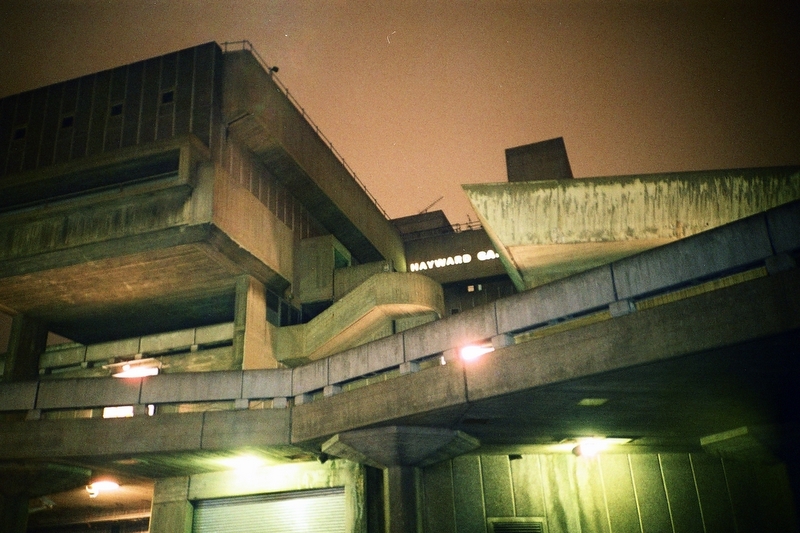
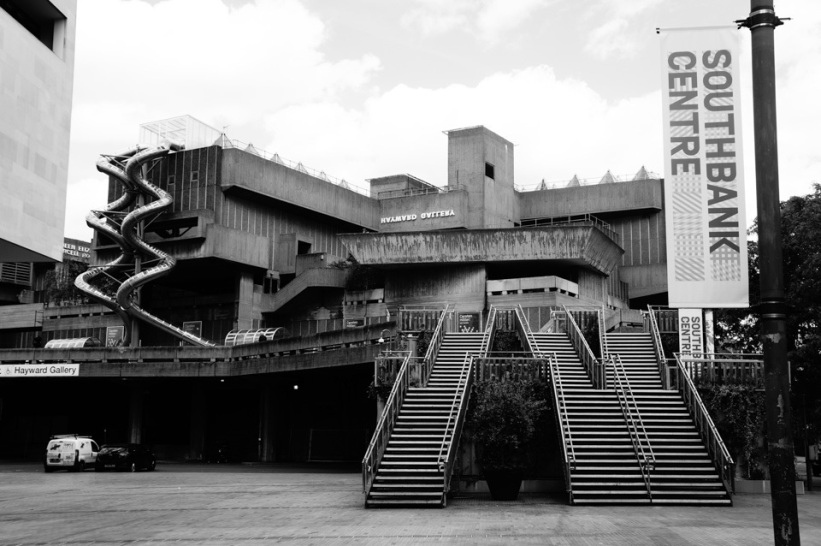
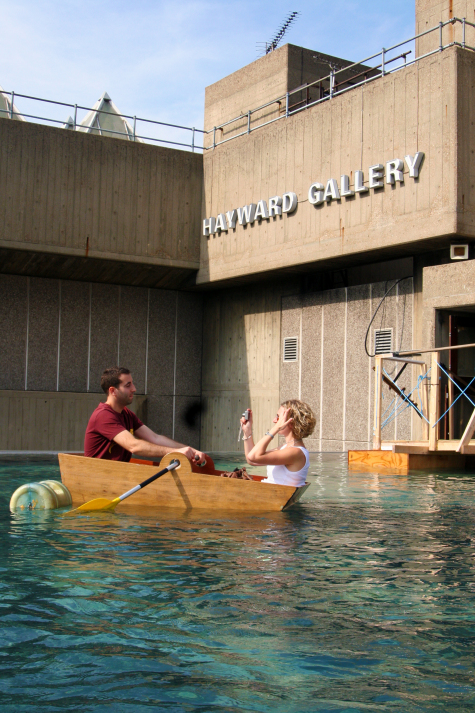
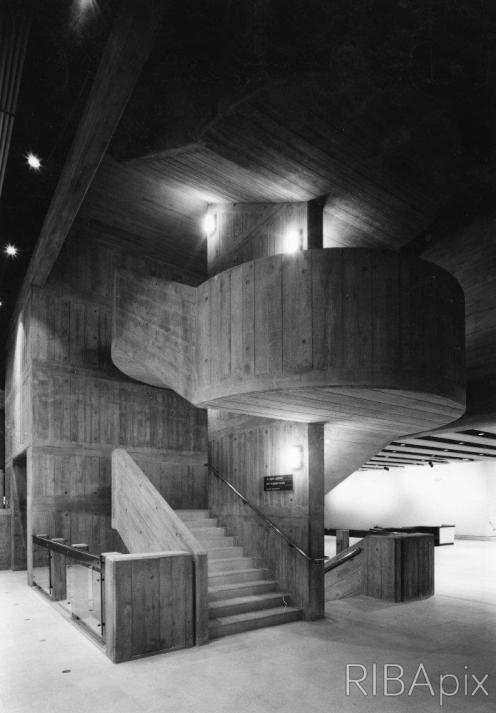
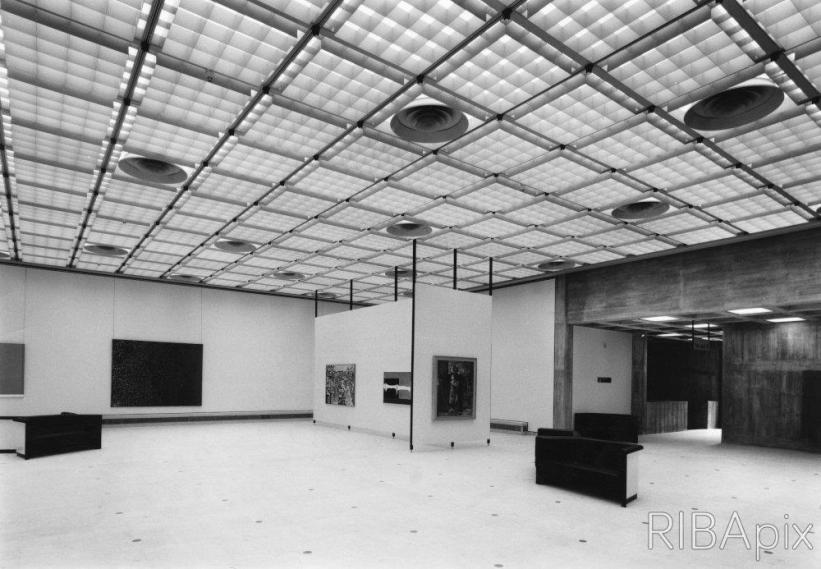
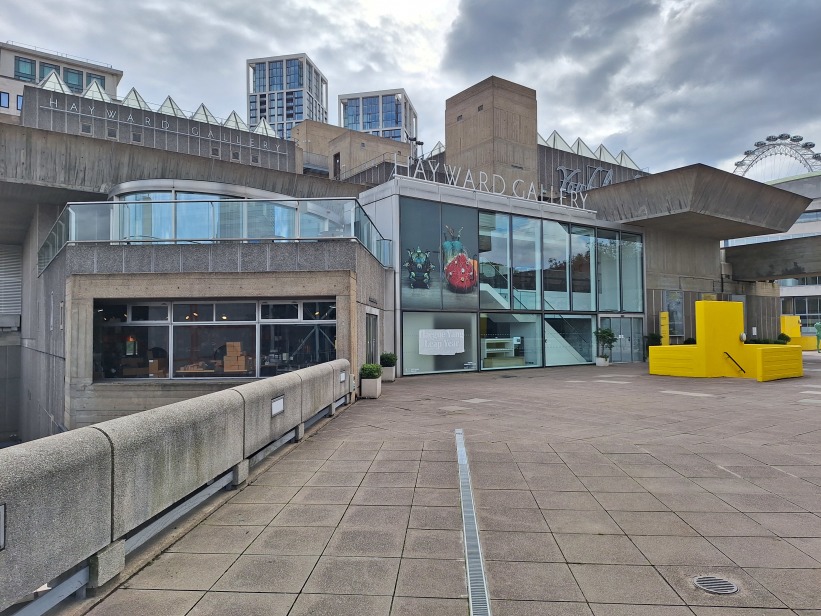
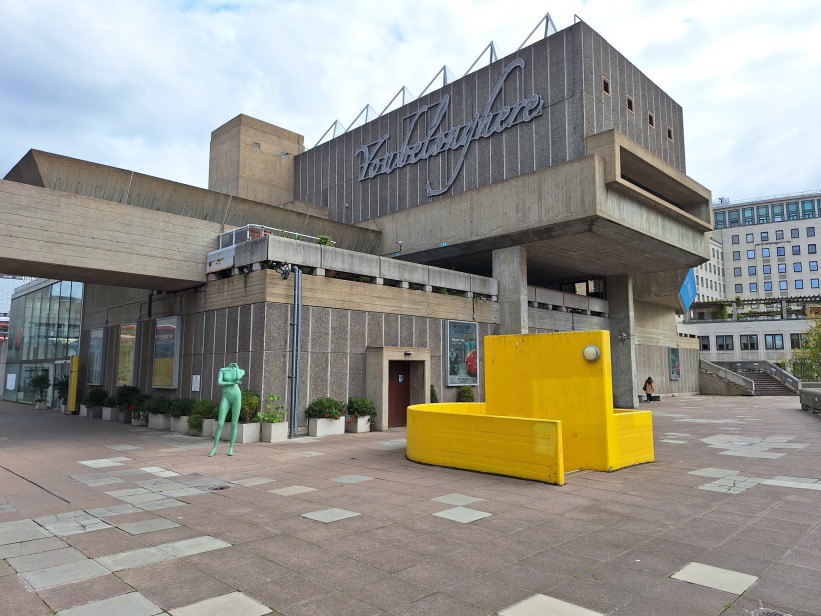
Herron and Chalk were founding members of Archigram (1960). Located directly next to Lasduns National Theater begun in 1967 the gallery is part of the Southbank Centre on the southern bank of the Thames. It houses both the collection but also the temporary exhibitions of the Arts Council of Great Britain (today Arts Council of England), which concentrate on modern and contemporary art. Perched on a high base the building sets itself apart from street level and attempts to separate pedestrians from cars. The characteristic roof structure with pyramid-shaped additions makes for even light in the exhibition rooms.
-
In use.
The Hayward Gallery was renovated from 2015 to 2018 according to plans by Feilden Clegg Bradley. Among other things, the approximately 60 steel and glass pyramids on the roof of the gallery were repaired, and a false ceiling that obstructed the natural light entering the upper galleries was removed.
Although the Hayward Gallery is considered a significant example of Brutalist architecture, it has been refused listed building status on several occasions.
In 2011, the Hayward Gallery was added to the list of protected buildings by the World Monuments Fund, but this does not confer legal listed building status in the UK.
In February 2020, the Culture Secretary Baroness Morgan of Cotes granted a Certificate of Immunity from Listing for the Queen Elizabeth Hall, the Purcell Room and the Hayward Gallery. This certificate prevented these buildings from being listed for a period of five years.
In February 2026, the Hayward Gallery, together with the Queen Elizabeth Hall, the Purcell Room and the skatepark under-croft, was finally granted Grade II listed status as part of the Southbank Centre by the Department for Culture, Media and Sport. This ended a 35-year campaign by the Twentieth Century Society and Historic England, whose recommendations for listing had been rejected on six occasions since 1991.
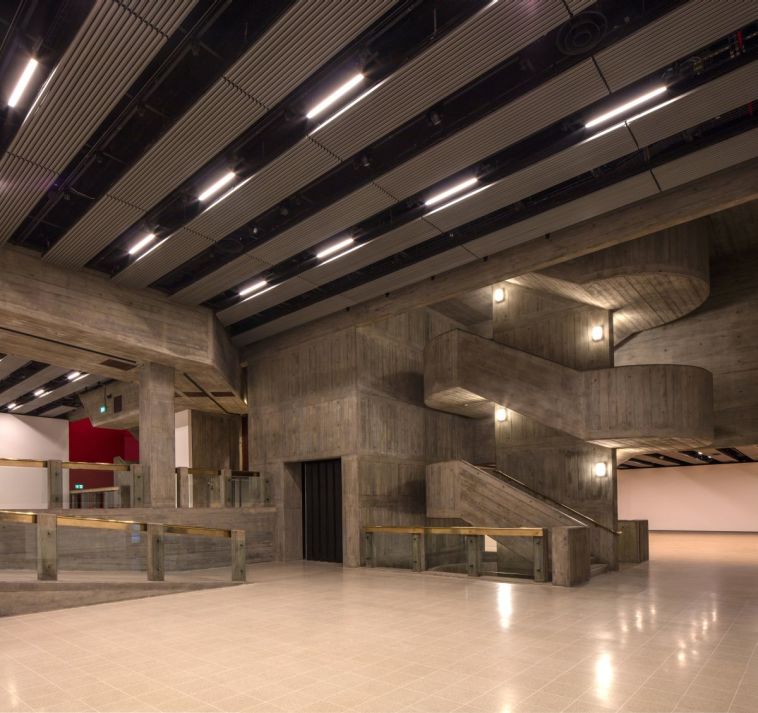
The designation ensures that the building’s layout, interiors and characteristic concrete forms are now subject to statutory heritage protection and any future alterations require consent.
Catherine Croft, Director of the Twentieth Century Society, welcomed the decision, stating: “The lack of listing had become a complete anomaly; it is admired as one of the best Brutalist buildings in the world, so this decision is obviously very well deserved and long overdue. The arts complex is a highly sophisticated, sculptural masterpiece, with enormous richness of form and detail inside and out. The experience it gives concert goers and gallery visitors is unlike any other venue in the country, its virtuoso spaces still unrivaled.” (last updated on February 13, 2026).