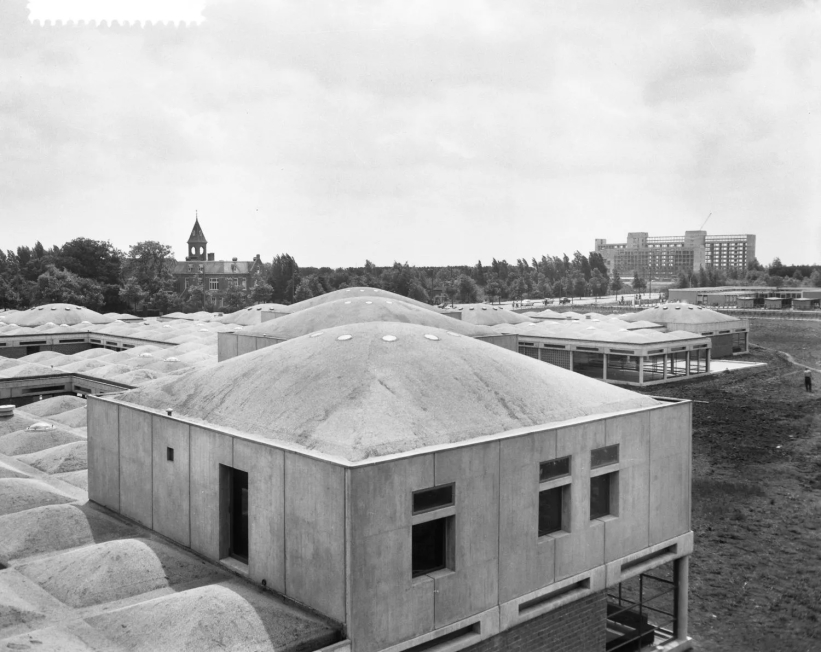
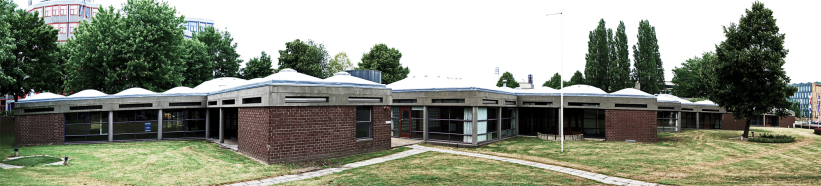
Aldo van Eyck: Orphanage, 1955D–1960
- Amsterdam, Netherlands, Show on map
- #Banham1966 #Western Europe
-
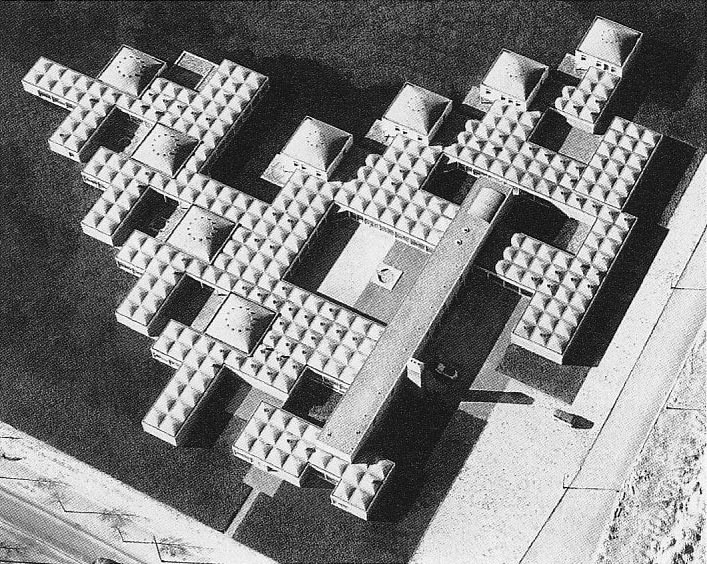
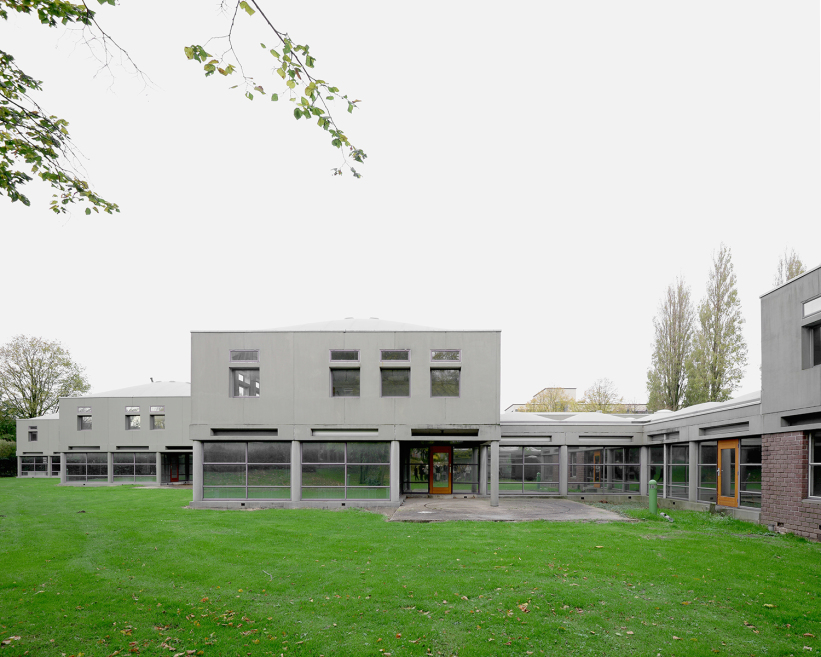
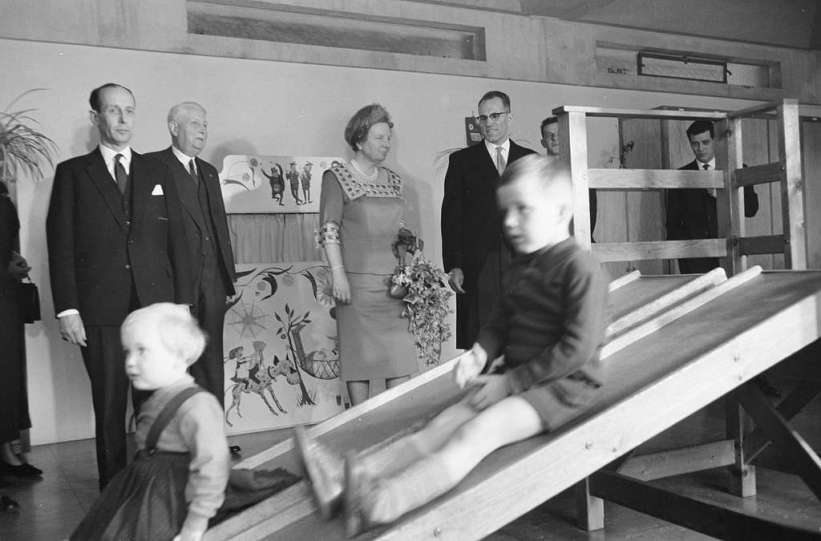
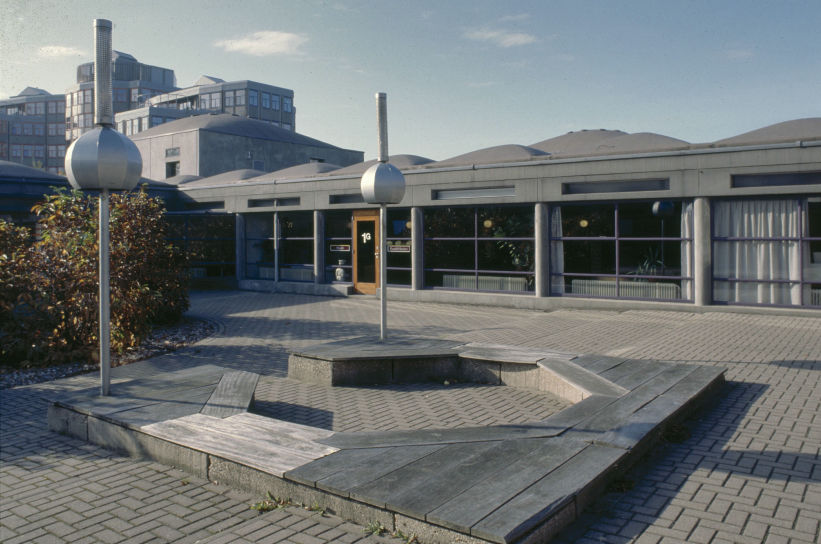
The orphanage, located in Amsterdam, was designed in 1955 by Dutch architect Aldo van Eyck. He is seen as one of the most influential protagonists of structuralism. The orphanage, that accommodated 125 children of all ages, is the first example of this movement in architecture and urban planning. The labyrinth like looking building realizes Van Eyck’s vision that the private and collective sphere are closely connected and the ‘distance’ between the urban surroundings and the building itself had to be diminished. The complex pattern of the building becomes homogenous by subjecting all elements to one constructive and structural principle.
Special thanks to Paul van den Bragt
-
Heritage protected and in use, though no longer in its original function. The building served as an orphanage until 1991, after which it accommodated various uses and was partly vacant. Plans for demolition in the 1980s triggered an international preservation campaign, which successfully saved the complex. It was subsequently restored and adapted in the early 1990s in connection with the adjacent Tripolis office development. The building has been officially protected as a national monument since 2014 and underwent a comprehensive restoration after being acquired by a developer. Since 2018 it has been in active use again as office space (BPD headquarters). Overall, the structure is in good condition, but its history includes functional transformation and partial loss or alteration of the original program rather than complete preservation in its initial state (last updated on April 15, 2026).